
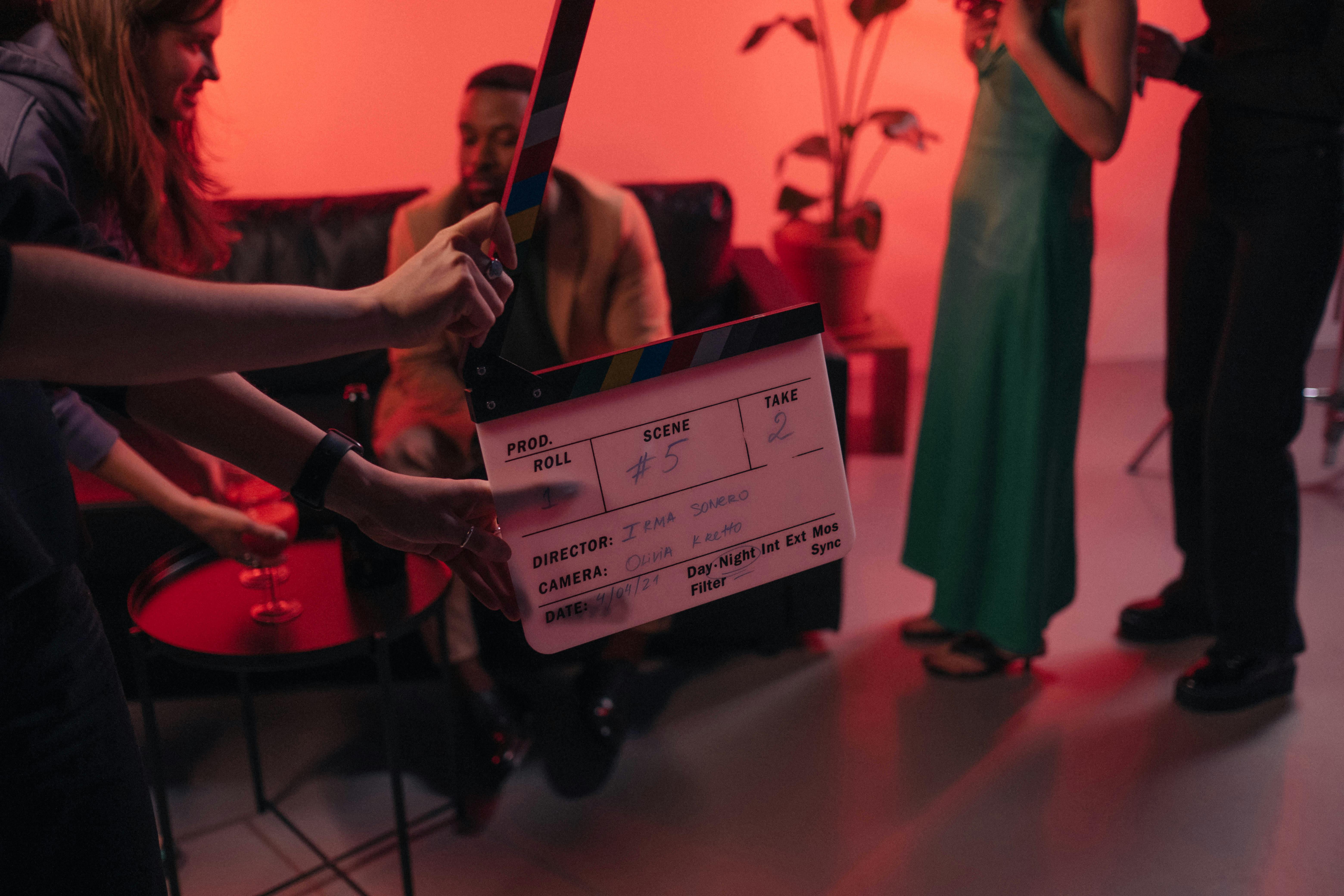
A trailer is not a condensed version of a film assembled by its editor. It is a separate marketing product, usually made by outside specialists working from material that is far from finished.
Trailer houses compete for the cut
Studios commission multiple specialist agencies, known as trailer houses, to produce competing versions from the same footage.
Each house pitches its approach, and marketing selects among them, sometimes combining elements from several before arriving at a final campaign.
This competitive structure explains why trailers often emphasize a different tone from the film, since each house is arguing for a way to sell it.
The footage is frequently unfinished
Marketing campaigns begin long before a film locks, so trailer editors work with rough cuts, temporary visual effects and unmixed sound.
Shots therefore receive their own finishing work for the trailer, and effects completed to trailer standard may later look different in the released film.
Scenes that appear in a trailer and not in the film are usually not deliberate misdirection but material cut after the trailer was already finished and distributed.
Music is licensed separately
The score being composed for the film rarely exists when a trailer is cut, so editors use library tracks written specifically for trailer use or license existing recordings.
Licensing covers a defined scope, including territories, media and duration, which is why a trailer's music sometimes changes between versions or regions.
Trailer music has become its own production category, with composers and libraries writing to the structural conventions the format has developed.
Every version is reviewed before release
Trailers attached to theatrical showings carry their own classification, assigned separately from the feature and governed by what a general audience may see.
That review determines which trailers may play before which films, and a trailer can be restricted even when the film it advertises is not.
Online distribution adds platform policies and age-gating rules on top, so a single campaign generates multiple approved cuts for different destinations.
Release timing is scheduled like the film itself
Teasers, full trailers and final spots are sequenced across the months before release, each aimed at a different stage of audience awareness.
Placement in front of a high-performing title is negotiated, since a trailer's theatrical exposure depends entirely on what audience it plays to.
The measurable response to each drop feeds back into later cuts, so a campaign's final spots are shaped by how earlier material performed.