
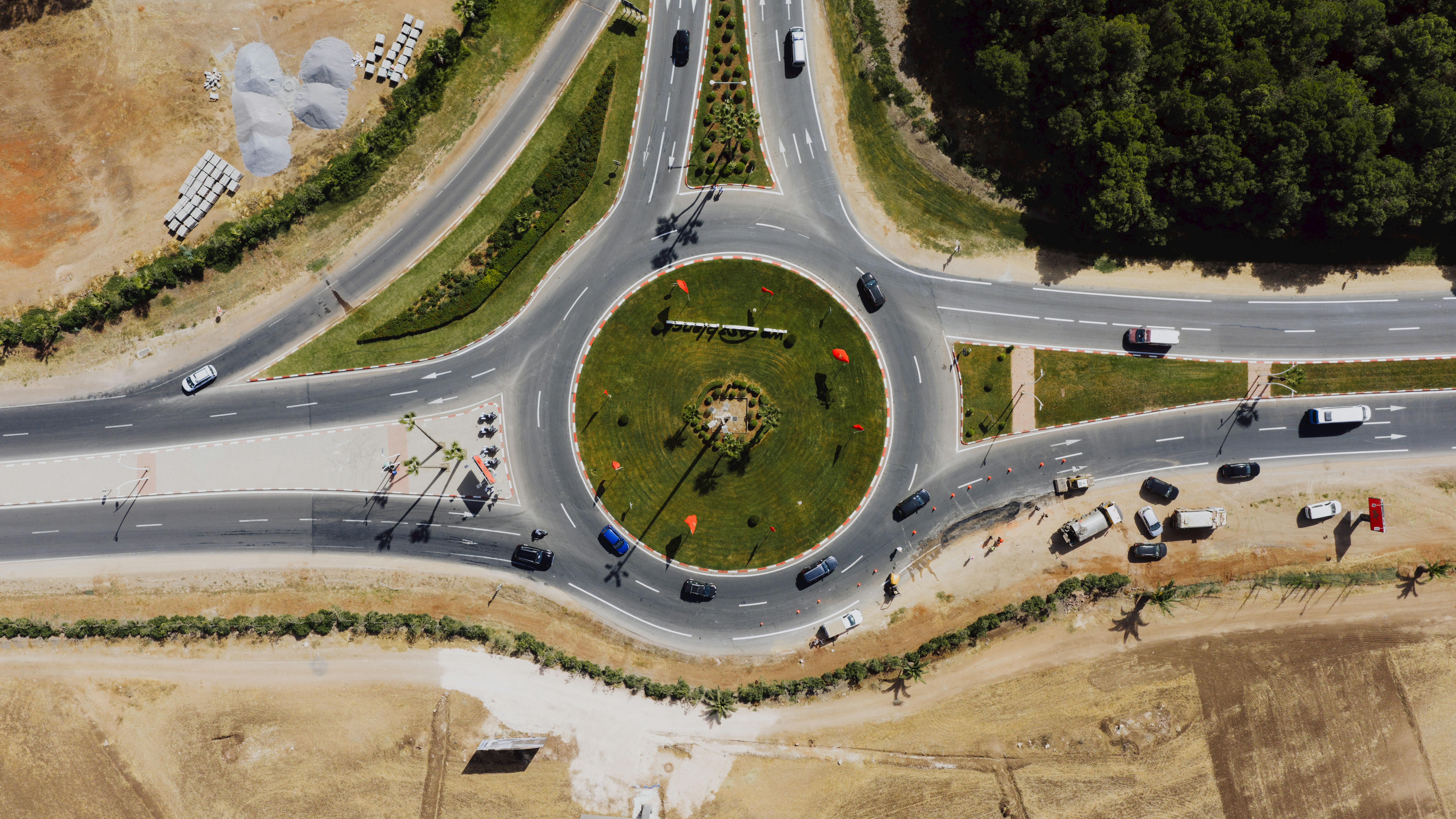
The world is quietly watching. In the heart of a rapidly changing continent, a silent revolution is underway, shaping not just a nation, but the very fabric of global power, prosperity, and innovation. Decisions being forged right now, in boardrooms and policy chambers, will determine if India rises as the undisputed economic titan of the 21st century, or if its immense potential remains just that – potential. And here's the secret: these choices, made thousands of miles away, are about to redefine your job, your investments, and even the products you buy.
What is happening right now (The Trend)
Imagine a nation teeming with the energy of youth, where over 65% of the population is under 35. That’s India today, a demographic dividend so vast it could power the world for decades. This isn't just a statistic; it's a living, breathing force of ambition, innovation, and consumer demand. For years, India has been an enigma – a land of stark contrasts, immense challenges, and undeniable promise. But something fundamental has shifted. We're not talking about gradual evolution; we're witnessing a tectonic plate shift in real-time.
The year 2026 isn't just a date on the calendar; it's a looming deadline for critical decisions. India is at a crossroads, navigating a complex global landscape marked by supply chain vulnerabilities, technological races, and shifting geopolitical alliances. The world's fastest-growing major economy isn't just growing; it’s strategizing. Leaders are wrestling with fundamental questions: How to harness this demographic might? How to transform a services-led economy into a manufacturing powerhouse without losing its digital edge? How to lift hundreds of millions out of poverty while safeguarding the environment?
Right now, immense investments are being poured into infrastructure – roads, ports, airports, and digital networks are expanding at an unprecedented pace. Education reforms are underway, attempting to equip the massive youth population with 21st-century skills, from coding to advanced manufacturing. The "Make in India" initiative isn't just a slogan; it's a concerted push to attract global giants and foster domestic champions, aiming to diversify global supply chains away from over-reliance on a single nation. Simultaneously, India is making audacious bets on renewable energy, striving to become a leader in green hydrogen and solar power, recognizing that sustainable growth is the only pathway forward.
But these aren't easy choices. They involve delicate balancing acts: between economic growth and environmental protection, between global integration and national self-reliance, between traditional values and modern aspirations. The outcomes of these decisions, being made now, will solidify India's position on the global stage, determining whether it becomes a mere participant or a true architect of the future world order.
Why this is important for everyone
Think for a moment about your smartphone. Or the clothes you wear. Or the software that runs your office. The intricate global supply chains that bring these products to you are undergoing a monumental re-evaluation. India's strategic pivot could mean your next gadget is "Made in India," not just assembled there. This isn't just about labels; it's about resilience, diversification, and potentially, greater stability in the global marketplace. As companies look to de-risk and expand their manufacturing footprint, India presents an irresistible alternative, promising a ripple effect on consumer prices, product availability, and the very nature of global trade.
For the USA, India's trajectory is critical. A strong, stable, and prosperous India is a vital partner in a multipolar world, offering a counterweight to rising geopolitical tensions. It means new markets for American goods and services, robust collaboration in critical technologies like AI, space, and cybersecurity, and a shared commitment to democratic values. Investment flows between the two nations are set to surge, creating jobs and fostering innovation on both sides of the globe. Your pension fund, your investment portfolio, could soon be heavily influenced by the performance of Indian markets and companies.
For India, the stakes couldn't be higher. These decisions will directly impact the quality of life for its 1.4 billion citizens. Will the promise of economic prosperity reach every corner of the nation? Will the millions entering the workforce find meaningful, high-paying jobs? Will India solidify its position as a global leader in innovation, not just a service provider? The choices made now will determine whether India achieves its dream of becoming a developed nation, shaping the destiny of its people for generations to come. From cleaner air to better education, from advanced healthcare to robust infrastructure, the future of every Indian citizen hangs in the balance.
The global village is more interconnected than ever. A booming India means a surge in global demand, new avenues for innovation, and a powerful voice in international forums on issues ranging from climate change to global health. Conversely, any missteps could send ripples of instability across economies and geopolitical alliances. The future of India isn't just India's future; it's intricately woven into the tapestry of your future, no matter where you live.
Currently Trending (Google Discover Signal)
- India's Semiconductor Ambition: The Race for Chip Independence. The global chip shortage exposed a critical vulnerability. India is now making an aggressive push to establish its own semiconductor manufacturing ecosystem, attracting billions in investment from global giants like Micron. This isn't just about self-reliance; it's a strategic move to become a key player in the foundational technology of the 21st century, impacting everything from your smartphone to your car.
- The Green Revolution 2.0: India's Renewable Energy Bet. With a massive and growing energy demand, India is making unprecedented strides in renewable energy. It aims to achieve 500 GW of non-fossil fuel electricity capacity by 2030, becoming a global leader in solar power and green hydrogen. This monumental shift has implications for global energy markets, climate change mitigation, and the future of sustainable development worldwide.
- Digital Public Infrastructure (DPI): India's Stack and Global Replication. India's "Stack" – Aadhaar (digital ID), UPI (instant payments), and DigiLocker (digital document wallet) – has revolutionized financial inclusion and public service delivery. This unique model of open-source, interoperable digital infrastructure is now being studied and even replicated by other developing nations, showcasing India's soft power and its potential to shape global digital governance.
Best Options in Comparison (VERY IMPORTANT)
As India stands at its 2026 crossroads, two dominant strategic paths emerge, each with its own set of promises and perils. These aren't mutually exclusive, but the emphasis placed on one over the other will define India's character and global role.
- Option 1: The Manufacturing Powerhouse Path (Made in India 2.0)
This path envisions India as the world's next great factory floor, a diversified alternative to existing manufacturing hubs. It involves massive government incentives, infrastructure development, and skill-building initiatives to attract global manufacturing giants. The focus is on robust domestic production across sectors like electronics, automobiles, textiles, and pharmaceuticals.
- Option 2: The Innovation & Services Hub Path (Digital India Unleashed)
This path doubles down on India's proven strengths in IT, software development, and digital services. It emphasizes fostering a vibrant startup ecosystem, investing in cutting-edge research in AI, quantum computing, and biotech, and leveraging its digital public infrastructure to create new services and solutions for the world. The focus is on high-value, knowledge-based industries.
Let's compare these two critical pathways:
| Feature | Manufacturing Powerhouse Path | Innovation & Services Hub Path |
|---|---|---|
| Primary Goal | Mass employment, export growth, supply chain resilience | High-value job creation, global tech leadership, intellectual property |
| Key Strengths | Absorbs large labor force, reduces import dependency, strengthens trade balance | High economic multiplier, low environmental footprint, rapid scalability |
| Main Challenges | High capital investment, environmental impact, competition from established players, land acquisition | Potential for widening income inequality, vulnerability to global tech shifts, requires highly skilled workforce |
| Global Impact | Diversified global supply chains, new source of manufactured goods, geopolitical influence through trade | Global innovation hub, digital solutions for developing nations, soft power through tech expertise |
| Job Creation Focus | Blue-collar, semi-skilled, large scale | White-collar, highly skilled, specialized |
| Required Investment | Massive physical infrastructure, industrial parks, logistics | R&D, education in advanced tech, digital infrastructure, startup funding |
While India is pursuing a hybrid strategy, the emphasis placed on one over the other in the coming years will profoundly shape its economic structure, its societal landscape, and its role in the global economy. The manufacturing path offers broad-based employment but demands immense resources and careful environmental management. The innovation path promises high growth and global leadership but risks exacerbating skill gaps and regional disparities if not carefully managed.
Conclusion & Outlook
The decisions being made in India right now are not abstract policy debates; they are the brushstrokes painting the future of a global giant. By 2026, the outlines of this future will be clearer, and its impact on your life, your work, and your world will be undeniable. India stands at an inflection point, with the potential to emerge as a truly indispensable player in the 21st century, a vibrant democracy charting its own course in an increasingly complex world.
The choices ahead are monumental: to fully embrace its demographic dividend, to balance rapid economic expansion with environmental stewardship, to innovate at scale while ensuring inclusivity. Whatever path India prioritizes, its sheer size, its youthful energy, and its growing influence mean that its journey will resonate across continents, touching every facet of global trade, technology, and geopolitics. The world will be watching, not just with curiosity, but with a keen understanding that India's destiny is, in many ways, intertwined with our own. The future is being built today, and India is at its very forge.